

Your air conditioning system works tirelessly during North Carolina’s hot summer months, but when it starts struggling to keep your home cool, the evaporator coil might be the culprit. Knowing when to replace your AC coil can save you from uncomfortable temperatures and expensive emergency repairs on humid days in Clemmons.
Understanding the warning signs of a failing evaporator coil helps homeowners address problems before they lead to a complete system breakdown. In this guide, Automated Comfort Systems, your go-to HVAC contractors in Clemmons, NC, will explain the optimal timing for an AC coil replacement and help you identify the key warning indicators.
Understanding Your AC Coil Function in Clemmons Climate
Your evaporator coil serves as the heart of your air conditioning system’s cooling process. It’s in charge of absorbing the heat from inside your Clemmons home.
Most evaporator coils last between 10 and 15 years with proper maintenance, though our North Carolina climate conditions can affect this timeline. Recognizing when to replace this AC coil ensures your system maintains peak efficiency and prevents costly breakdowns during peak cooling season.
Evaporator Coil Replacement: 7 Warning Signs
When determining if your AC coil needs replacement, consider age and cost factors. Components nearing 15 years typically show decreased efficiency, and mounting repair costs often make this upgrade more economical than ongoing maintenance. Watch for these warning signs indicating that your AC coil is failing:
1. Poor Cooling Performance
Your air conditioner runs constantly but fails to reach the desired temperature throughout your home. This reduced cooling efficiency often indicates that your evaporator coil cannot absorb heat properly, forcing your system to work harder without achieving comfortable results. In our humid climate, certain rooms may stay warmer than others during peak summer months.
2. A Frozen Evaporator Coil
Ice formation on your evaporator coil creates a serious problem that blocks proper airflow and heat transfer. A frozen evaporator coil typically results from restricted airflow, refrigerant issues, or coil damage that prevents the normal heat exchange process. In a high-humidity environment, you may notice ice on the indoor unit or water dripping from unexpected areas.
3. Unusual Noises from Your System
Strange sounds emanating from your air handler or furnace unit often indicate coil problems that require immediate attention. Common sounds include hissing, bubbling, clanking, or grinding noises that weren’t present during normal operation. Any new or worsening sounds should prompt an immediate inspection to determine when to replace this AC coil, as costly damage can occur, especially in our demanding climate conditions.
4. Refrigerant Leaks
Visible refrigerant leaks around your evaporator coil area indicate serious damage that compromises system performance. You might notice oily residue, hissing sounds, or reduced cooling performance when refrigerant escapes from damaged coil components. Prompt repairs become essential when leaks develop, as refrigerant poses health risks to your family.
5. Coil Corrosion
Visible corrosion on your evaporator coil surfaces weakens the metal and creates potential leak points throughout the component. Corrosion typically develops from exposure to moisture, chemical reactions, or age-related deterioration, which compromises coil integrity.
Corroded coils cannot transfer heat effectively and may develop refrigerant leaks, requiring an immediate replacement. Once corrosion begins, it spreads rapidly and cannot be reversed, making early detection crucial for avoiding complete system failure.
6. Rising Energy Bills
Unexplained increases in your utility costs often indicate inefficient system operation caused by coil problems. When your evaporator coil cannot transfer heat effectively, your entire system consumes more energy to maintain comfortable temperatures. Residents might notice gradual increases over several months, especially during the extended cooling season when systems run longer to combat the high humidity.
7. Condenser Coil Issues
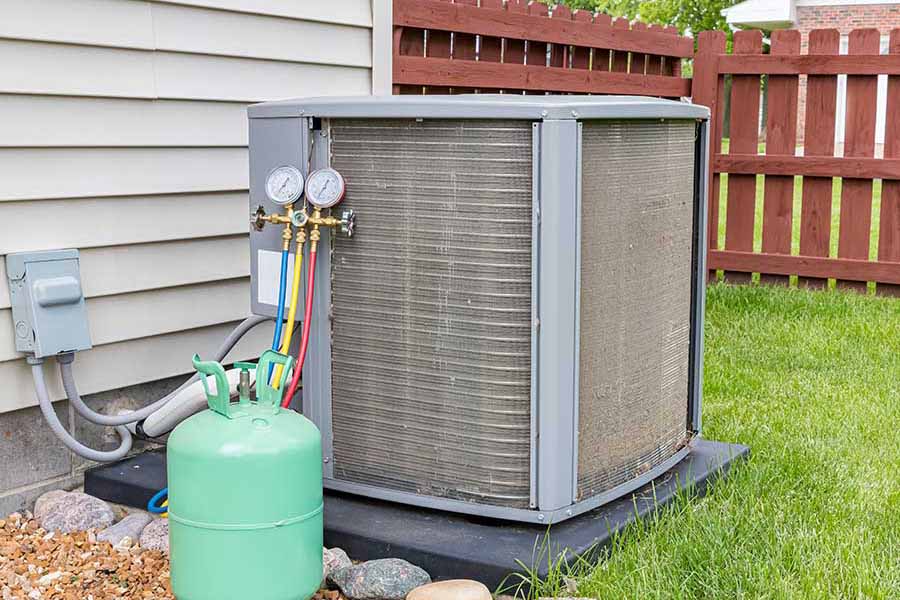
Problems with your outdoor condenser coil can impact the performance of your evaporator coil and overall system efficiency. Issues such as blocked airflow from pollen and debris, dirty coils from frequent storms, or mechanical problems from weather exposure can create additional strain on your evaporator coil, potentially shortening its lifespan. Regular cleaning and maintenance of both coils helps prevent coordinated system failures that require expensive simultaneous replacements.

Automated Comfort Systems: Your Trusted HVAC Partner in Clemmons
Understanding when to replace your AC coil helps you maintain optimal home comfort and system efficiency throughout the year. We provide comprehensive HVAC services designed to keep your air conditioning system operating at peak performance. Learn more about the causes of AC coil damage and how proper maintenance protects your investment.
For expert guidance on when to replace your AC coil in Clemmons, NC, contact Automated Comfort Systems.